BEYOND DESIGN · PERSONAL AGRICULTURE JOURNEY

From empty land
to a living system.

A family agriculture journey told through systems thinking: understand the conditions, plan dependencies, build in stages and learn from what grows.

ContextPersonal project · Five-acre farm
Journey documented2017–2024
LensPeople · Water · Crops · Feedback
Explore the journey
01 · The story

Systems thinking, beyond the screen.

Zero to Harvest is my family’s journey of turning uneven, undeveloped land into a working farm. It is personal work, and the story offers a practical lens on how I approach complex UX problems.

The starting point

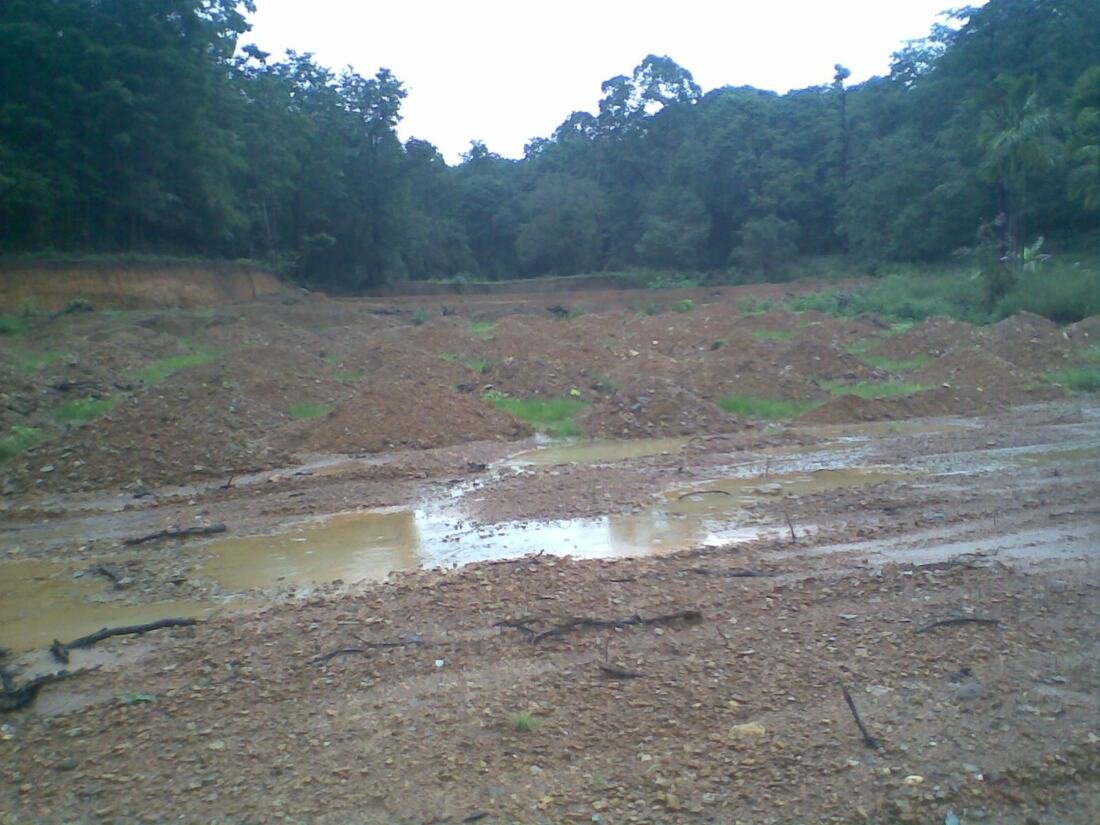
No ready water source, no access road and no level, workable plots. Before choosing crops, we needed to understand what the land could support.

The ambition

My father’s goal was to generate income through areca nut, coconut, cardamom and black pepper, with investments staged over time.

The connection to UX

Understand the context before designing a solution. Make dependencies visible. Bring the right people together. Build in stages, then learn from real outcomes.

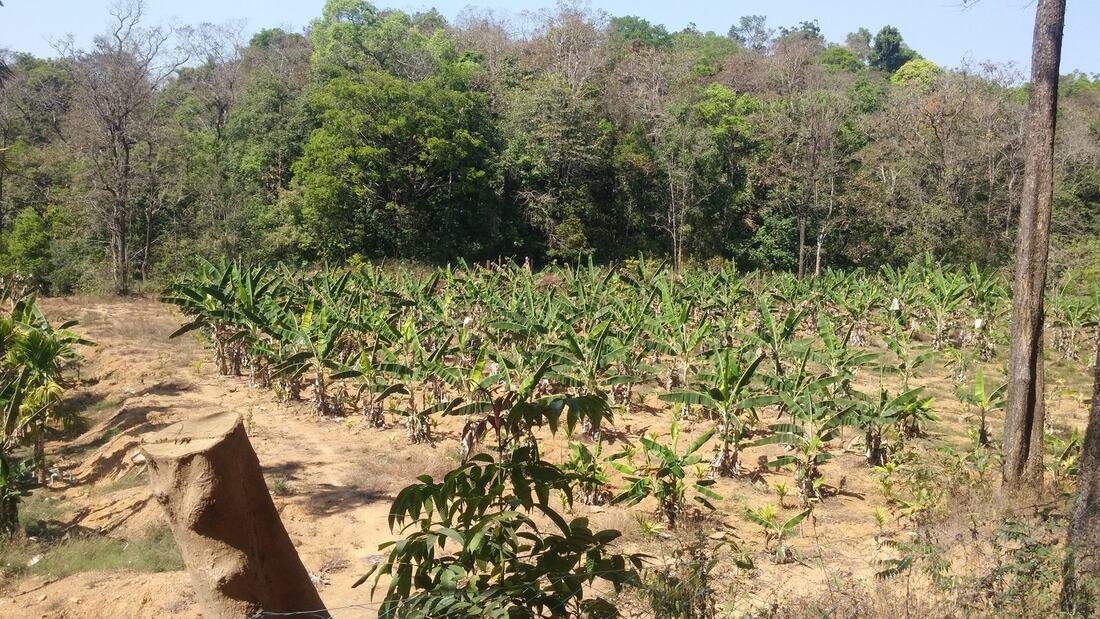
Undeveloped land at the start of the agriculture journey in 2017
2017 / Starting conditions
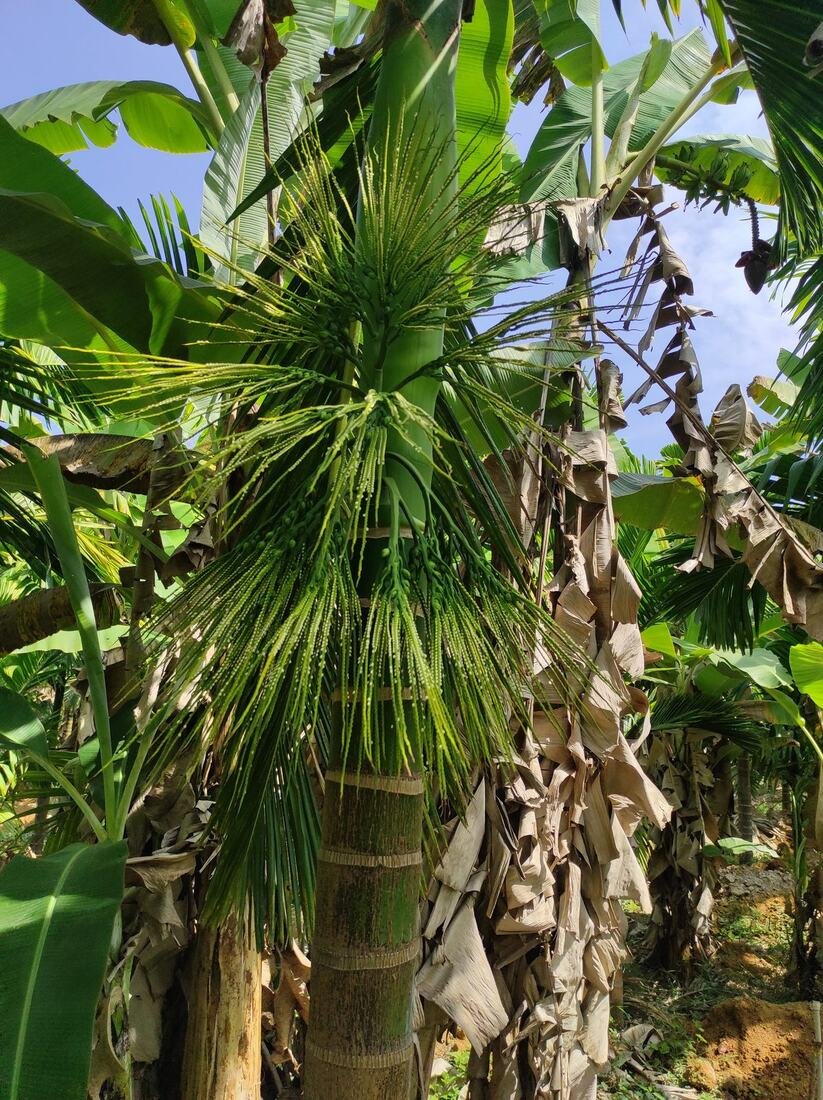
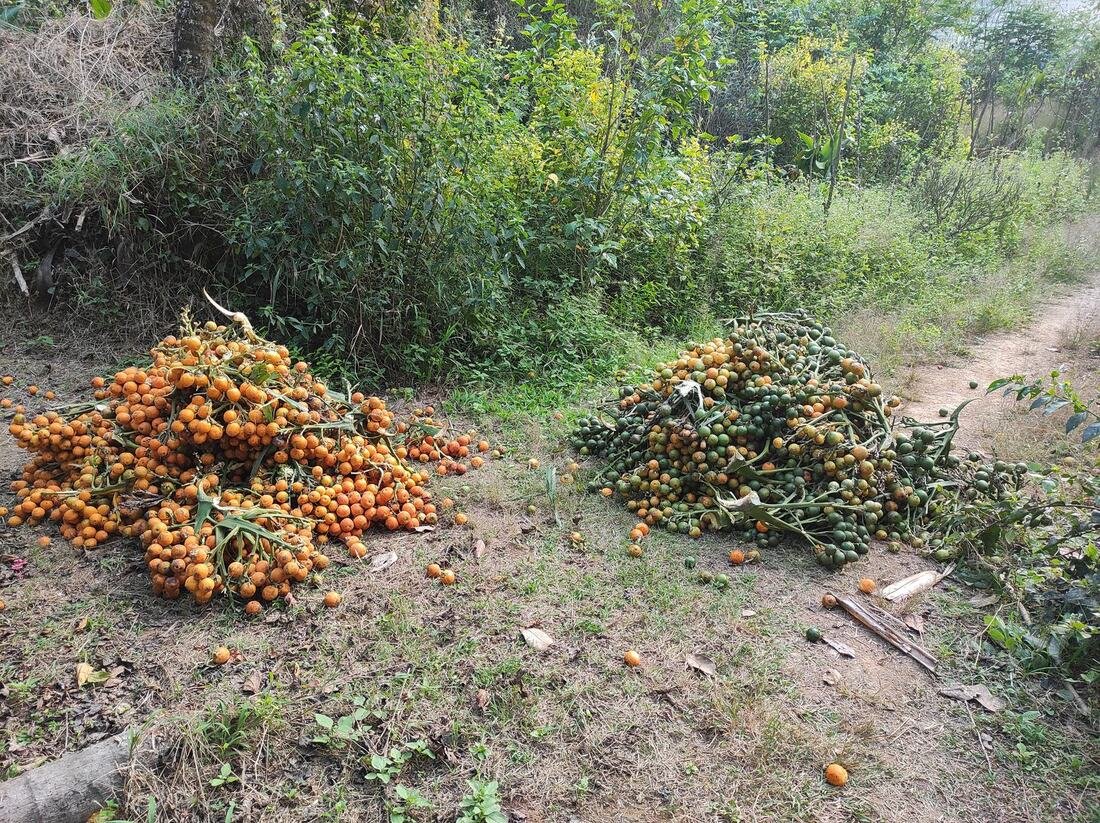
Areca nut harvest recorded during the farm journey in 2024
2024 / Harvest milestone
The situation

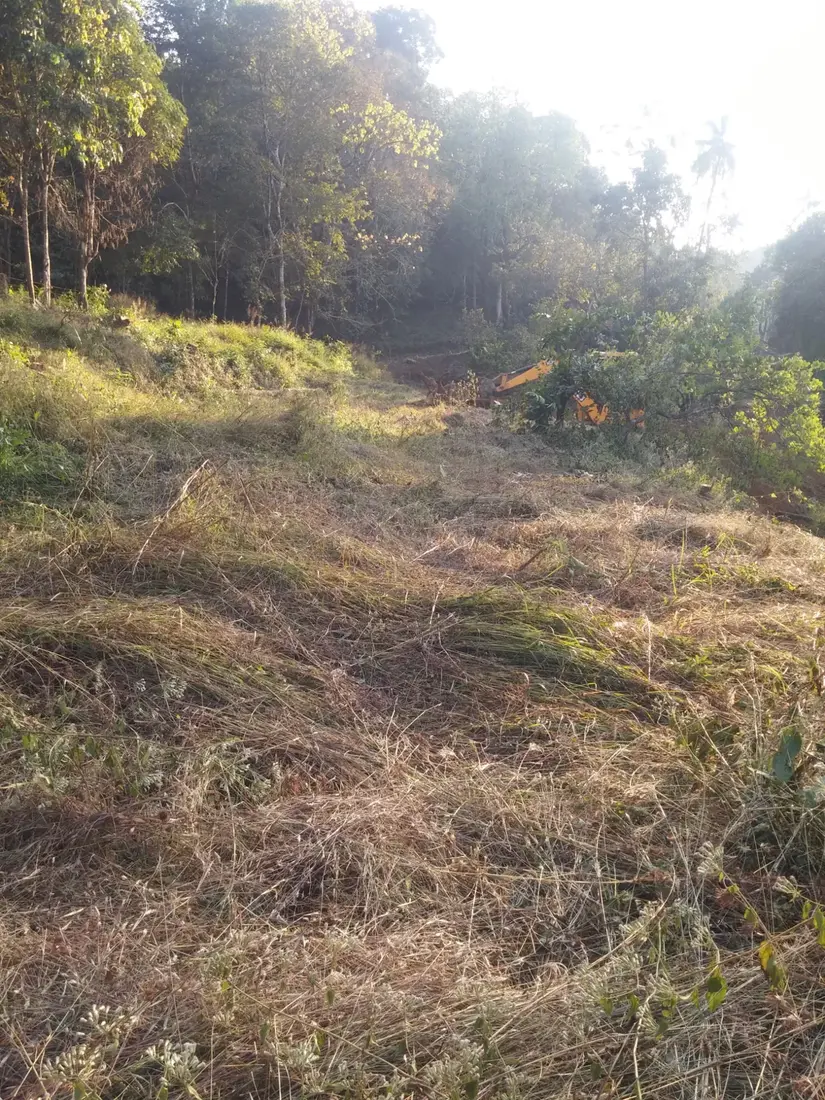
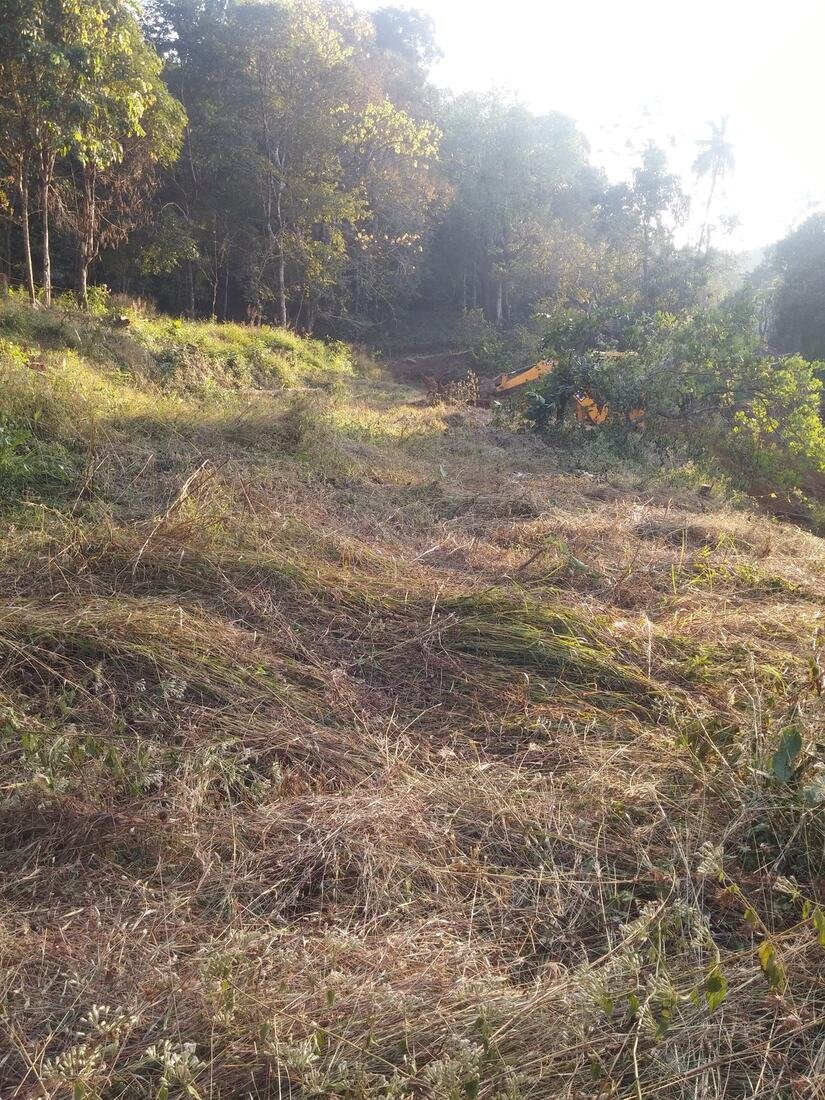
Empty land, no water, no road, uneven ground

Before anything could be planted, the land itself had to be understood and reshaped. Nothing about it was ready to farm.

Uneven, overgrown farmland with earthmoving equipment during the initial land preparation
  • Uneven terrain — the plot had a mix of up and down slopes with no flat, workable surface
  • No ready water source — nothing to irrigate with, and this land sits in a heavy-rain region where water still has to be actively managed, not just found
  • No road — no way to move equipment, materials, or eventually harvest in and out
  • No prior use — nothing about the land's history told us what it could actually support
Reading the system before acting

What the land could and couldn't support, before touching it

Two pieces of groundwork came before any planting decision: understanding the soil itself, and engineering how water would actually reach every plant across an uneven, multi-plot layout.

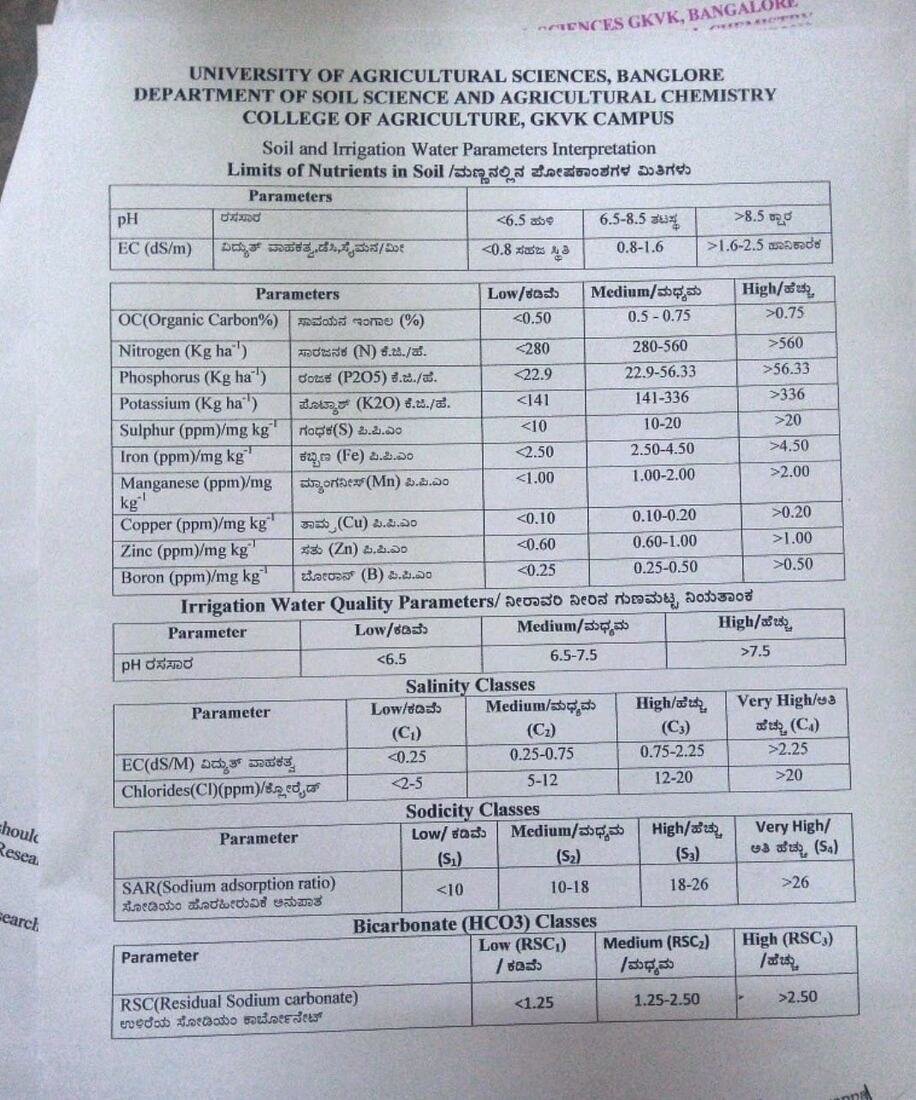
Soil testing

Official soil and irrigation water test report from the University of Agricultural Sciences, Bangalore

An official soil and irrigation-water test from the University of Agricultural Sciences, Bangalore. This told us what nutrients were already present, what was missing, and what the water quality could support — the input every later fertilizer and crop decision was built on, rather than guessing.

Irrigation engineering

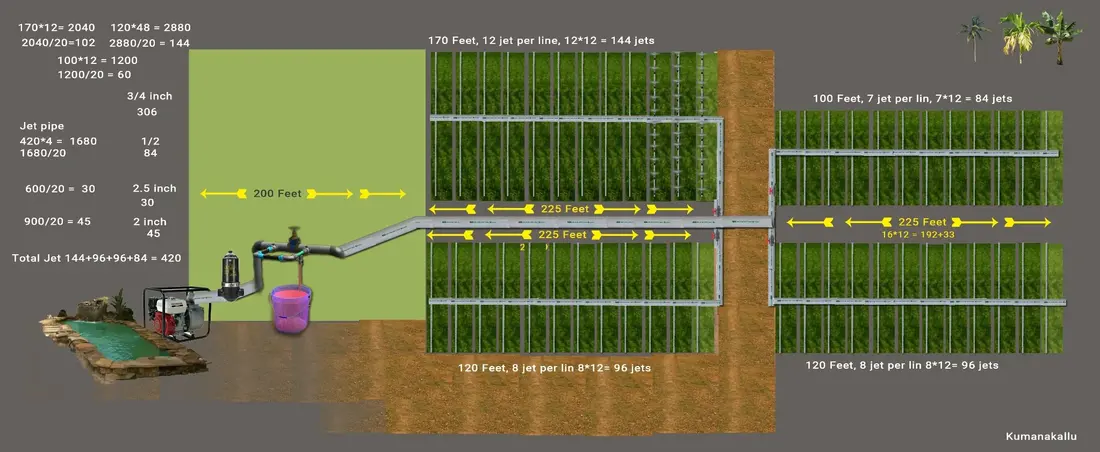
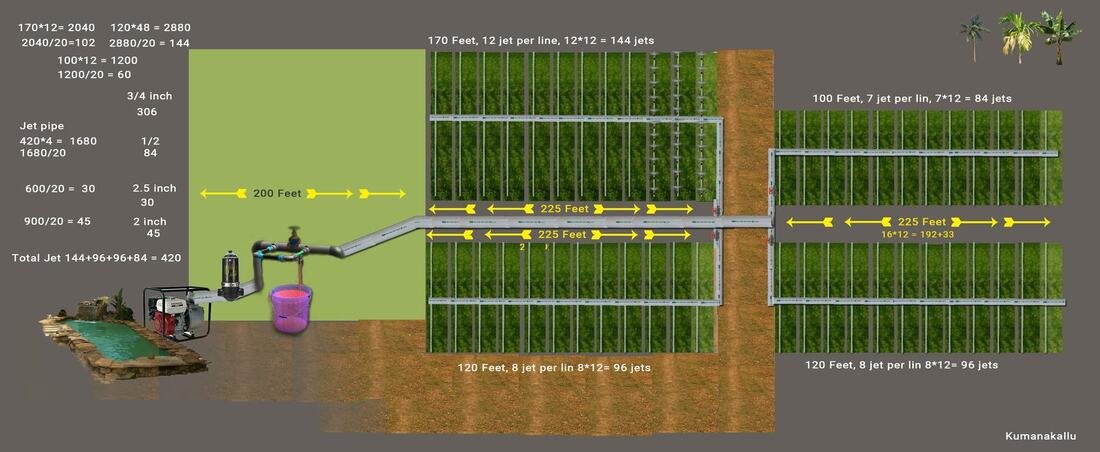
Hand-calculated irrigation plan showing pipe lengths, jet counts per plot, and pump sizing

Every plot's pipe length, jet count and spacing was worked out by hand before a single pipe was laid — over 400 irrigation jets planned across the plots, sized against one pump's actual output. Get this wrong and either water doesn't reach the far end of a row, or the pump is overworked from day one.

The system

How every decision fed the next one

This wasn't a checklist executed in order — it was a set of dependent variables. Water availability shaped what could be planted; what was planted shaped labor needs; income arrived on a staggered schedule and part of it funded the next round of infrastructure. The diagram below is that system.

System map of the farm build Empty land leads to soil testing and land leveling, which feed irrigation engineering, which feeds the planting decision. The planting decision branches into four crops, which all feed an ongoing labor system, which produces staggered income. A dashed line shows income partly reinvested back into irrigation. reinvested Empty land no water · no road · uneven ground Soil testing what's present, what's missing Land leveling (JCB) uneven terrain → workable plots Irrigation engineering 400+ jets planned by hand, sized to one pump Planting decision which crops, in what mix Areca nut proven · yields yr 6 Cardamom higher effort Black pepper water-dependent Coconut long horizon Ongoing labor system irrigation specialist · JCB operator · daily worker Staggered income different crops, different years

Solid arrows: the build sequence. Dashed arrow: part of each year's income was reinvested into irrigation and infrastructure for the next stage — the feedback loop that let the system keep expanding.

The people in the system

The people who made the system work.

Role profiles based on this family journey, using approximate ages. These are a retrospective UX framing, not formal interview transcripts.

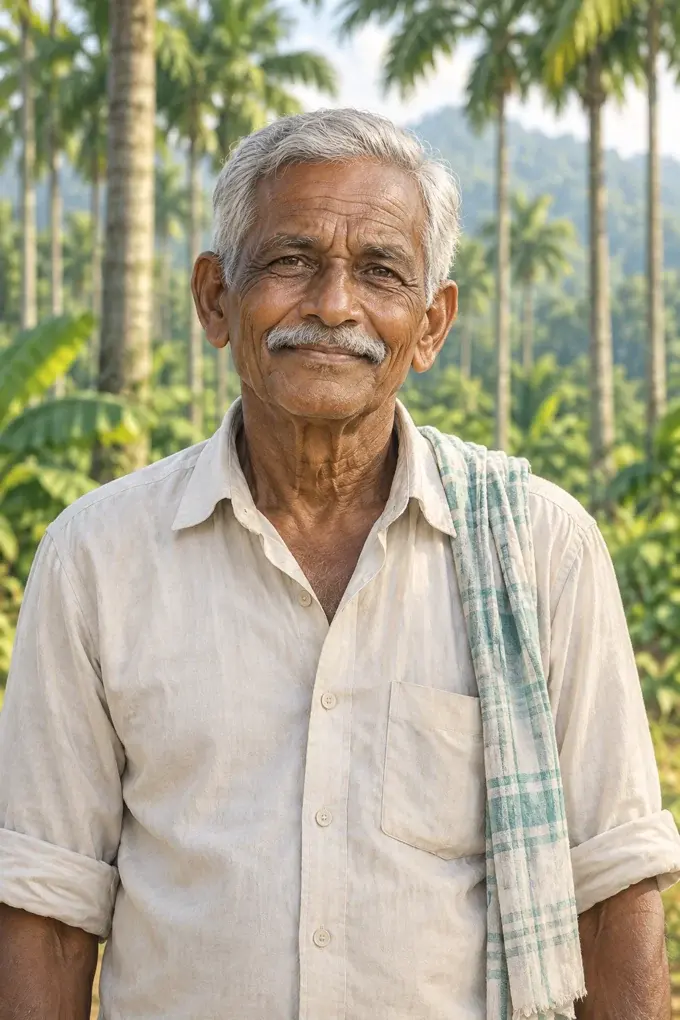
ROLE PROFILEAI-generated representative illustration of a farmer approximately 75 years old

My father

Farmer & decision-maker

Age: Approximately 75
Representative illustration · not the actual person

About

My father owns five acres of land that, when this journey began, was empty — no crops, no water source, no access road. He wanted to turn it into a working farm growing commercial crops like areca nut, coconut, cardamom and black pepper, and build a steady income from it over time.

Goals

  • Turn empty, undeveloped land into a productive commercial farm that earns income
  • Operate every irrigation valve from one place
  • Avoid repeated trips across the land to start and stop the water jets
  • Keep the four-hour daily irrigation routine affordable

Motivation

Building something lasting from nothing — independence in running the farm himself, and income that outlives the years of investment it took to get there.

Pain points

The land had nothing growing on it and no way to support crops — no water, no road, no flat ground. Later, once the irrigation system was in place, running it meant walking to scattered valves across five acres every single day.

Design need

A way to plan and sequence a multi-year buildout of an empty plot, and a single accessible place to operate the irrigation gate valves once the system was running.
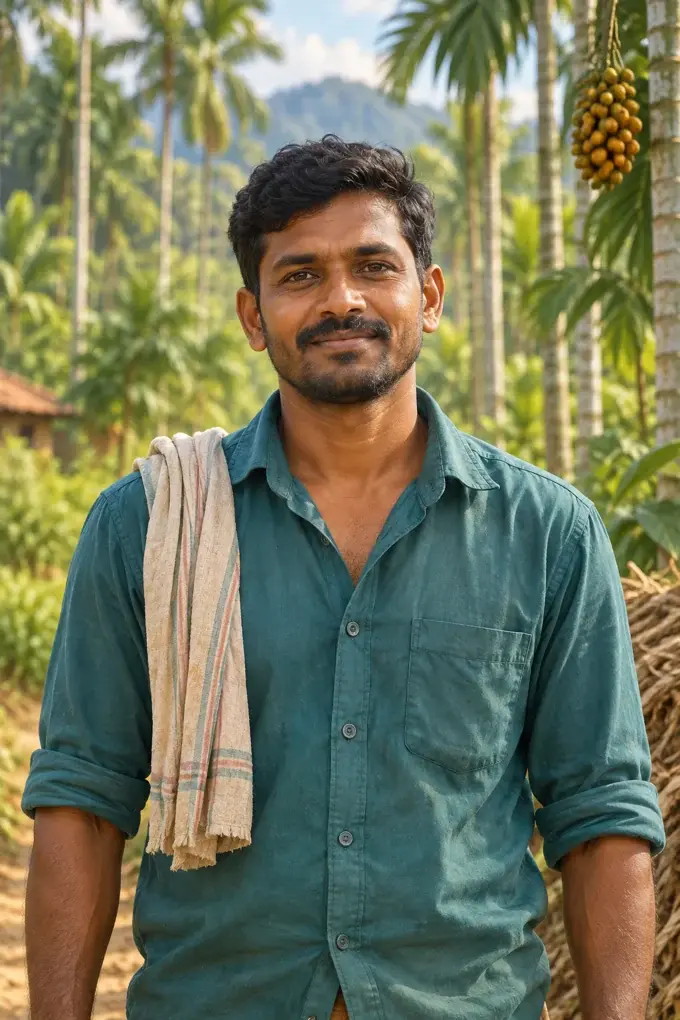
ROLE PROFILEAI-generated representative illustration of a farm laborer approximately 30 years old

Farm laborer

Daily farm operations

Age: Approximately 30
Representative illustration · not the actual person

About

He works the land day to day — planting, weeding, irrigation checks, and general upkeep — under my father's direction. He's the one physically maintaining the farm as it grows from empty land into producing crops.

Goals

  • Confirm water reaches every tree during daily rounds
  • Spot irrigation problems early, before they affect crops
  • Get clear priorities each day rather than figuring it out on the spot

Motivation

Doing dependable, visible work that keeps the farm healthy and keeps my father's plan moving forward.

Pain points

Scattered controls meant more walking and less clarity on what needed attention first during the daily routine.

Design need

Clear control locations and a repeatable daily checklist, not tribal knowledge.

Irrigation specialist

Plans pipe routing and water coverage, then revises the layout when operating the system reveals a problem.

Equipment operator

Prepares workable plots and access before installation and planting. Terrain decisions affect the work that follows.

The decision

Four crops, not one — deliberately

Each crop was chosen for a different reason, and together they spread risk across time and market rather than betting on a single outcome.

Proven
Areca nut

Already grown successfully by multiple farmers in this area — the lowest-risk, most reliable core crop to anchor the farm around.

Higher effort
Cardamom

Far fewer local growers attempt it — more labor-intensive and higher-maintenance, but a differentiated crop with less local competition.

Dependent
Black pepper

Needs careful water management and a host/support plant to climb — viable specifically because this region gets heavy rain, but adds a dependency the other crops don't have.

Long horizon
Coconut

Takes the most years to mature of the four — planted early on purpose, as a return that arrives later but lasts long after.

Why all four, rather than picking the safest one: income doesn't arrive on one schedule. Different crops mature and pay out at different points in the year and across different years — and if the market for one crop drops, the farm isn't dependent on it alone. It's the same logic as not betting a product's entire roadmap on a single feature landing perfectly.

Seven years, in sequence

From empty land to the first harvest.

Eight milestones capture the journey from 2017 to 2024: preparing the land, building the foundations, caring for crops and learning from results.

The lifecycle connection

A farm has a lifecycle, too.

This is how I connect the journey to product work in retrospect.

01

Discover

Understand soil, water and terrain.

Context research and problem definition.
02

Plan

Choose crops and calculate irrigation coverage.

Requirements, trade-offs and solution planning.
03

Build

Level plots, establish access and install pipework.

Implementation and dependency management.
04

Introduce

Plant after essential infrastructure is ready.

A staged launch after key prerequisites are in place.
05

Operate

Check water coverage, maintain plants and manage pests.

Monitoring, support and ongoing maintenance.
06

Learn

Review crop results and reinvest in infrastructure.

Evaluate outcomes and improve the next iteration.
2017
Second JCB pass leveling the sloped land, late 2017
Infrastructure

Land development

A second, more deliberate JCB pass to reshape the up-and-down terrain into level, plantable plots.

2018
First fertilizer application to prepare the soil, 2018
Preparation

Soil preparation

First fertilizer application, based on what the soil test showed was missing — before any planting.

2018
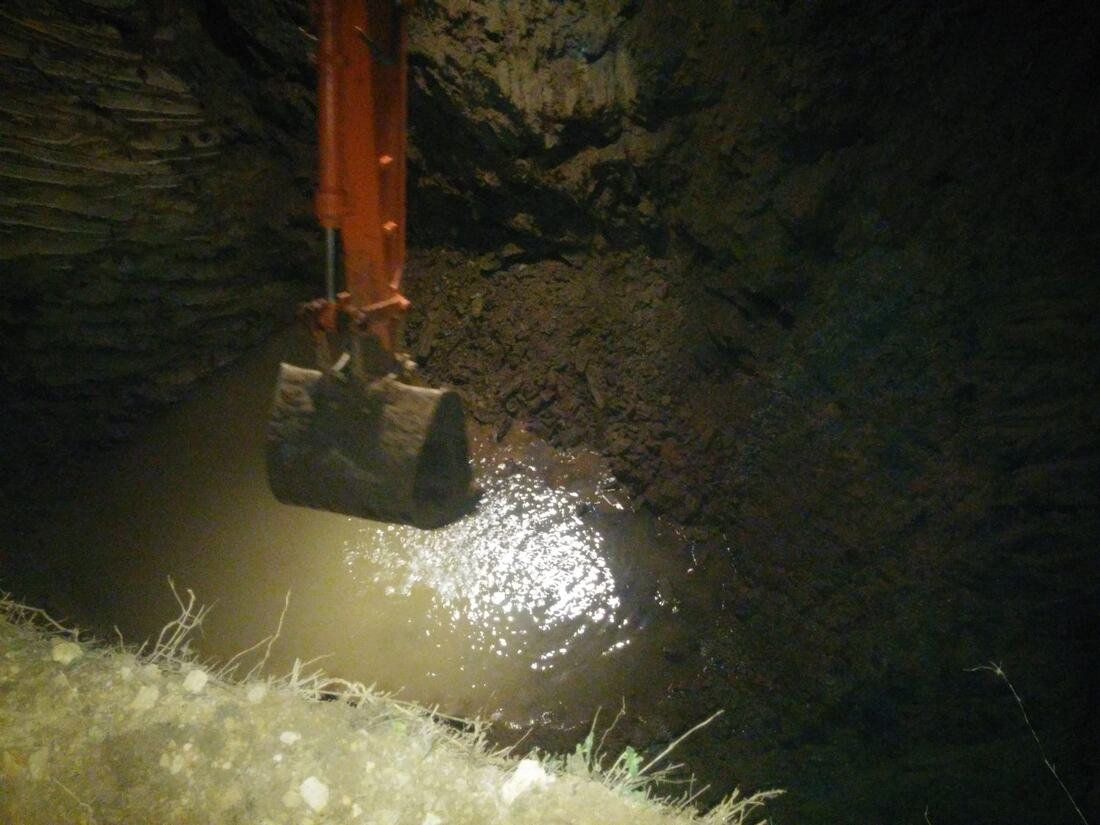
Irrigation pipes being laid across the plots, December 2018 Water source and pond development, mid-2019
Infrastructure

Irrigation & water source

The irrigation plan became installed pipework, with a water source developed to supply the pump across the plots.

2019
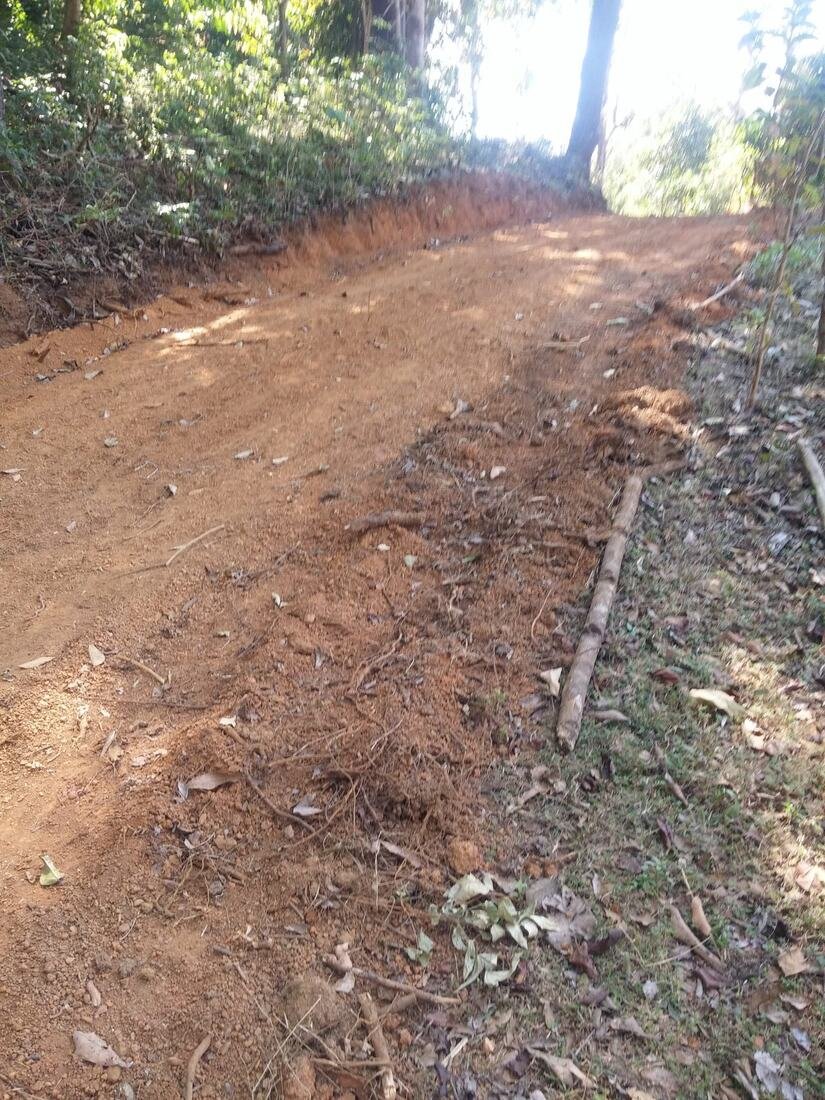
Access road being built into the land, February 2019
Infrastructure

Road access

An access road, built in the same period as the first planting — needed for equipment, materials and, eventually, moving the harvest out.

2019
First planting of areca nut and other crops, February 2019
Planting

First planting

With water reaching the plots and the road in place, the first areca nut, coconut, cardamom and black pepper went into the ground.

2020
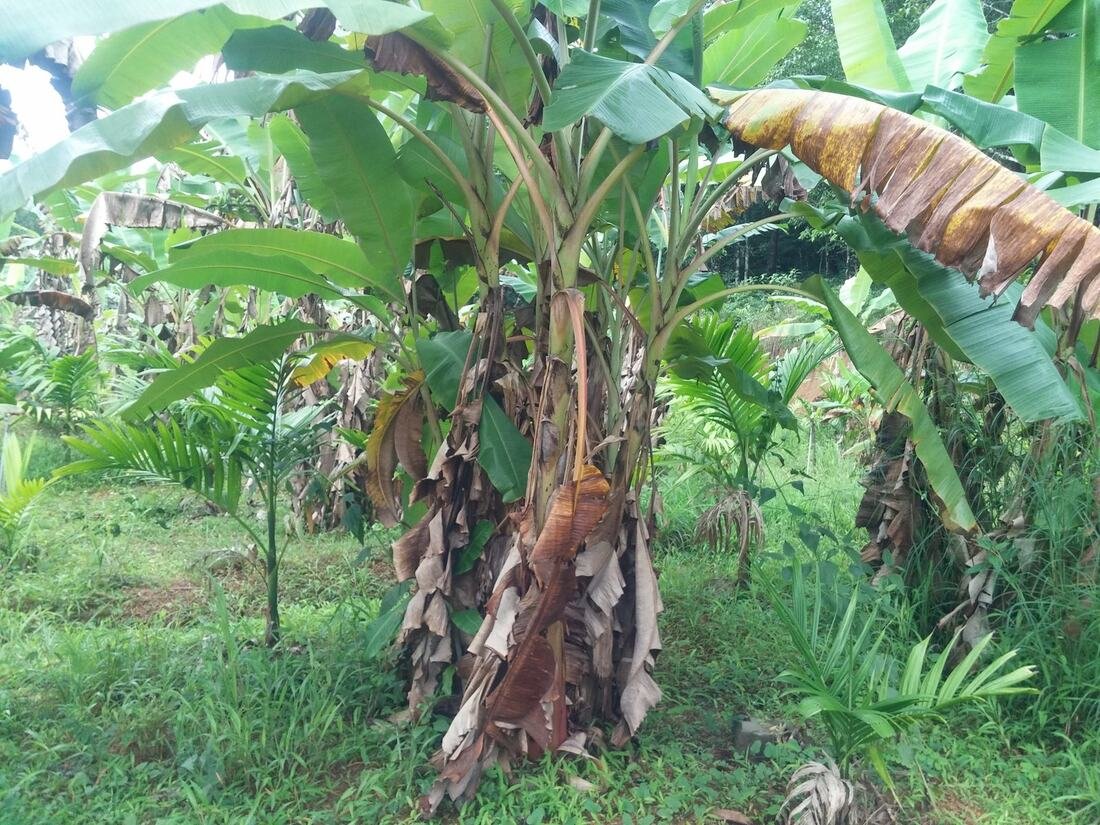
Crop growth progress, mid-2020
Growth

Early growth

Plants establishing — the slow, unglamorous middle stretch where there's nothing to harvest yet, only maintenance.

2021
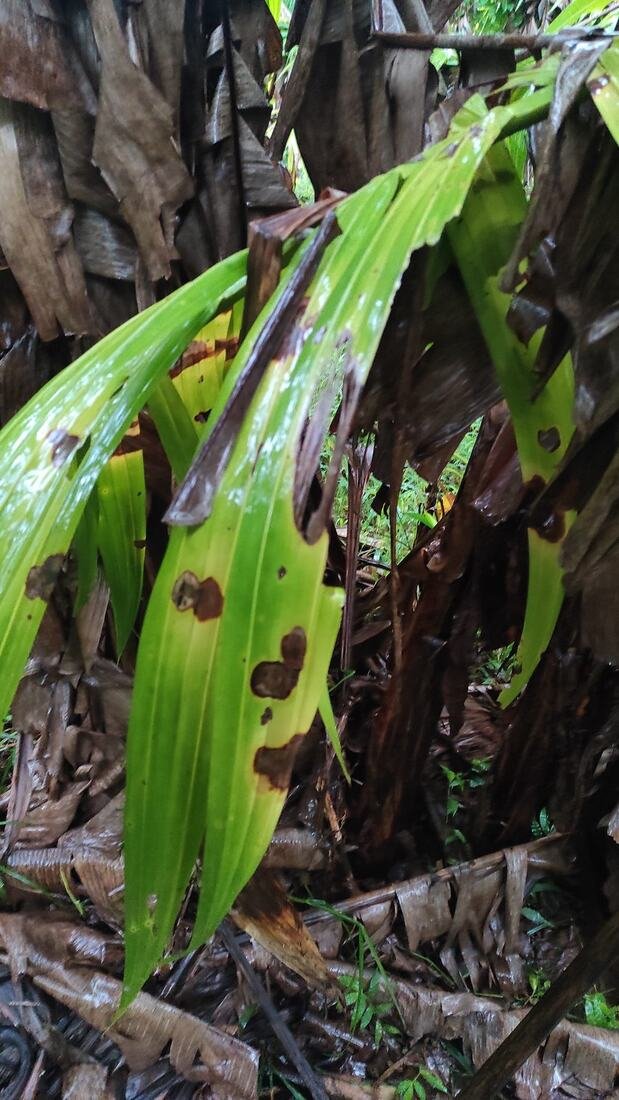
Pest and disease management, spraying, mid-2021
Maintenance

Pest & disease management

Targeted pesticide spraying and water-control adjustments as the crops grew large enough to be vulnerable to disease.

2024
First flowering on the cardamom plants, February 2024 First commercial areca nut harvest, December 2024
Growth

Flowering & first harvest

Flowering and the first areca nut harvest marked the 2024 milestone. The valve layout was also improved to support easier operation.

05 · Real use, feedback & iteration

It delivered water. But was it easy to use?

The initial design addressed water coverage. Daily use exposed a second requirement: the effort needed for a farmer aged approximately 75 to operate the system across five acres.

01 / Usability in the field

Bring the controls to the farmer.

Evidence of the problem · observation & feedback

I saw the effort behind the routine.

I noticed my father becoming tired as he traveled from one end of the five-acre land to the other. I asked him what difficulty he was facing. His feedback was that the gate valves were in different locations, so operating the water jets required repeated travel.

Based on my observation and my father’s feedback, paraphrased rather than presented as a verbatim quotation.

BEFORE

Gate valves in different locations

Starting the water jets required the farmer to walk to multiple places across the land. A working irrigation network still created a difficult operating routine.

AFTER

Gate valves together in one place

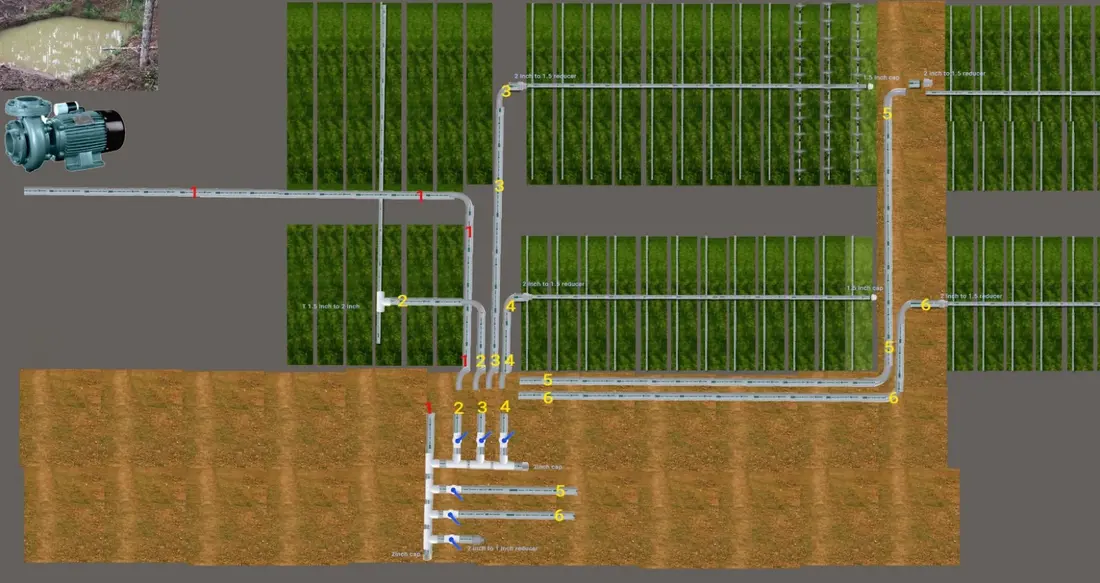
The gate valves were moved to one location and the land was re-piped. My father can now control all the valves from that one place; traveling between separate valve locations is no longer required.

BEFORE / INITIAL IRRIGATION LAYOUTInitial irrigation plan showing pipe routes, jet calculations and the original pump arrangement
The initial layout prioritized water distribution. Daily use exposed the burden of operating valves located around the land.
AFTER / CENTRALIZED VALVE CONTROLRevised irrigation plan showing the numbered zone pipes connected to a group of valves in one central location
The revised layout brings valve control together in one location, with pipe routes serving the different zones.

Result after the change

My father can control all the valves from one place. The travel required to operate scattered valves has been removed.

Remaining limitation: water coverage still needs checking

Centralized controls simplify operation, but they do not confirm whether water is reaching the area near every tree. Checking water delivery throughout the land remains an ongoing task.

The UX connection

Observation led to a conversation, feedback revealed the usability problem, and the layout was revised. The result improves valve operation, while the remaining coverage checks keep the limits of that improvement visible.

02 / Cost of operating the system

Four hours a day changed the cost equation.

INITIAL CHOICE

A petrol water pump

The land required four hours of water supply every day. Running the petrol pump for that daily duration made fuel costs too high, revealing that the initial choice had not adequately accounted for ongoing operating costs.

LATER CHANGE

An electric water pump

The farmer switched to an electric water pump. For the same four hours of daily water supply, the electric pump costs much less to run, making the irrigation routine more affordable.

The lifecycle connection

Evaluate a system against its actual daily workload, not just its installation cost. Four hours of irrigation every day exposed the petrol pump’s running-cost problem; switching to an electric pump reduced the cost of the same routine.

A stronger definition of success

Water coverage, ease of operation and manageable ongoing cost must work together. Technical functionality alone does not establish usability or long-term viability.

Results, honestly

Not everything paid off at the same rate

Outcomes documented through 2024. Crop performance and projections below describe that point in the journey.

Areca nut
● Yielding since year 6

The proven, reliable choice paid off as expected — the first real commercial harvest, six years after planting.

Cardamom
● Limited yield so far

Flowering started in 2024, but yield has been limited — the higher-maintenance, higher-effort crop is still proving itself out.

Black pepper
● 2–3 years from yield

Growth has only just started — the water-dependent crop with the longest remaining runway before it earns anything back.

Coconut
Long-term planting

Planted as part of the four-crop mix. A harvest result is not recorded in this story.

Design the dependencies.

A crop decision only works when water, access and daily care support it. I bring the same attention to dependencies between product flows and teams.

Make time part of the plan.

Different crops return value on different schedules. This reinforces why staged investment and clear expectations matter.

Learn from uneven outcomes.

A strong result in one crop does not validate every choice. Review each part of the system and adapt where the evidence differs.

This farm journey follows the same process I use in UX: understand the context, listen to the people using the system, build a solution, and improve it through real use and feedback.
Mahendra Bhagavath