Commercial Loan
Servicing
Formerly ACBS · Enterprise-level loan software
Project Brief
Commercial Loan Servicing (formerly ACBS) is an enterprise-level software system that provides tightly integrated functionality and workflows throughout the life of a commercial loan. ACBS is a highly capable commercial loan servicing application with 62+ global customers. The commercial lending market has been growing. Despite technology challenges, ACBS has had significant market success over the past few years.
Problem Statement
Selling ACBS to new customers has been challenging, mainly because of its legacy technology stack: an older user interface, an IBM database and LANSA as the development language.

Our Focus
- Ensure the modernization process is user-centered, with mobile-friendly, intuitive experiences and information that is valuable, relevant and easy to find.
- Create a visually appealing UI.
- Support scalability, usability and accessibility.
Virtual Contextual Inquiry
- Communicated with end users through emails and surveys to collect information that would improve the customer experience.
- Collaborated to build a shared understanding among stakeholders, developers and designers.
- Interviewed stakeholders and subject-matter experts to understand the application and its known pain points.
Key Insights
- Reduce onboarding time for new employees.
- Reduce the learning curve for new users.
- Revisit screen positioning and flow to improve process efficiency.
- Notifications are important for all user groups.
- Reduce the number of clicks.
- Minimize navigation between screens.
Persona and User Journey

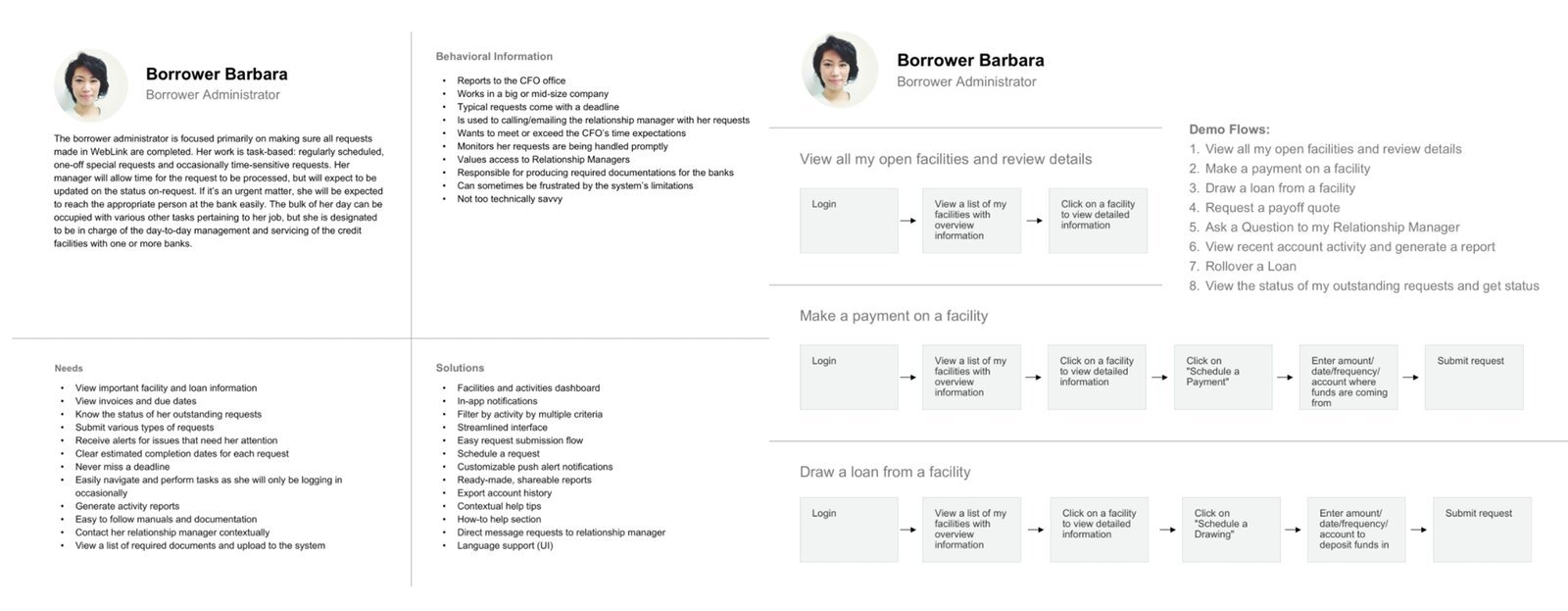

Flow Discussion
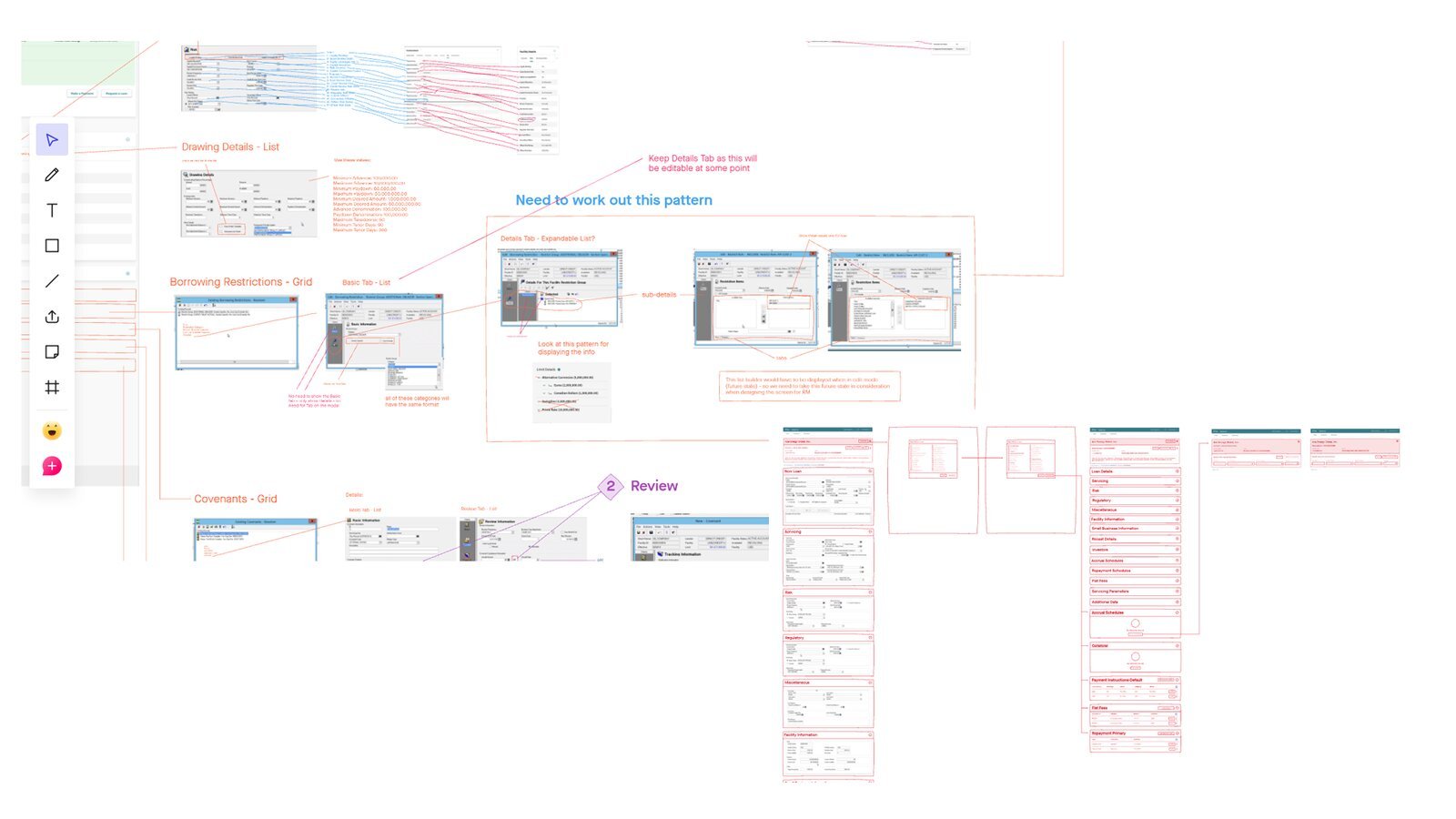
Wireframe
Getting the Right Design
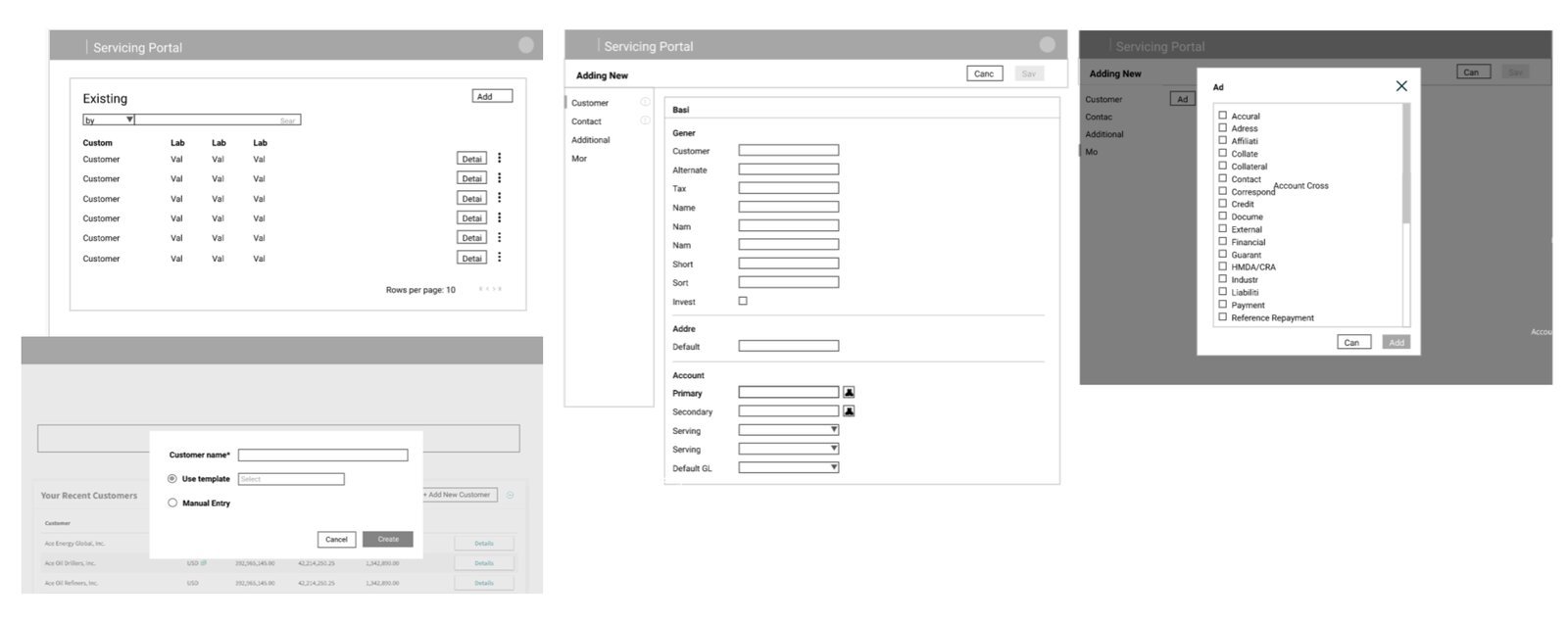
Previous screens
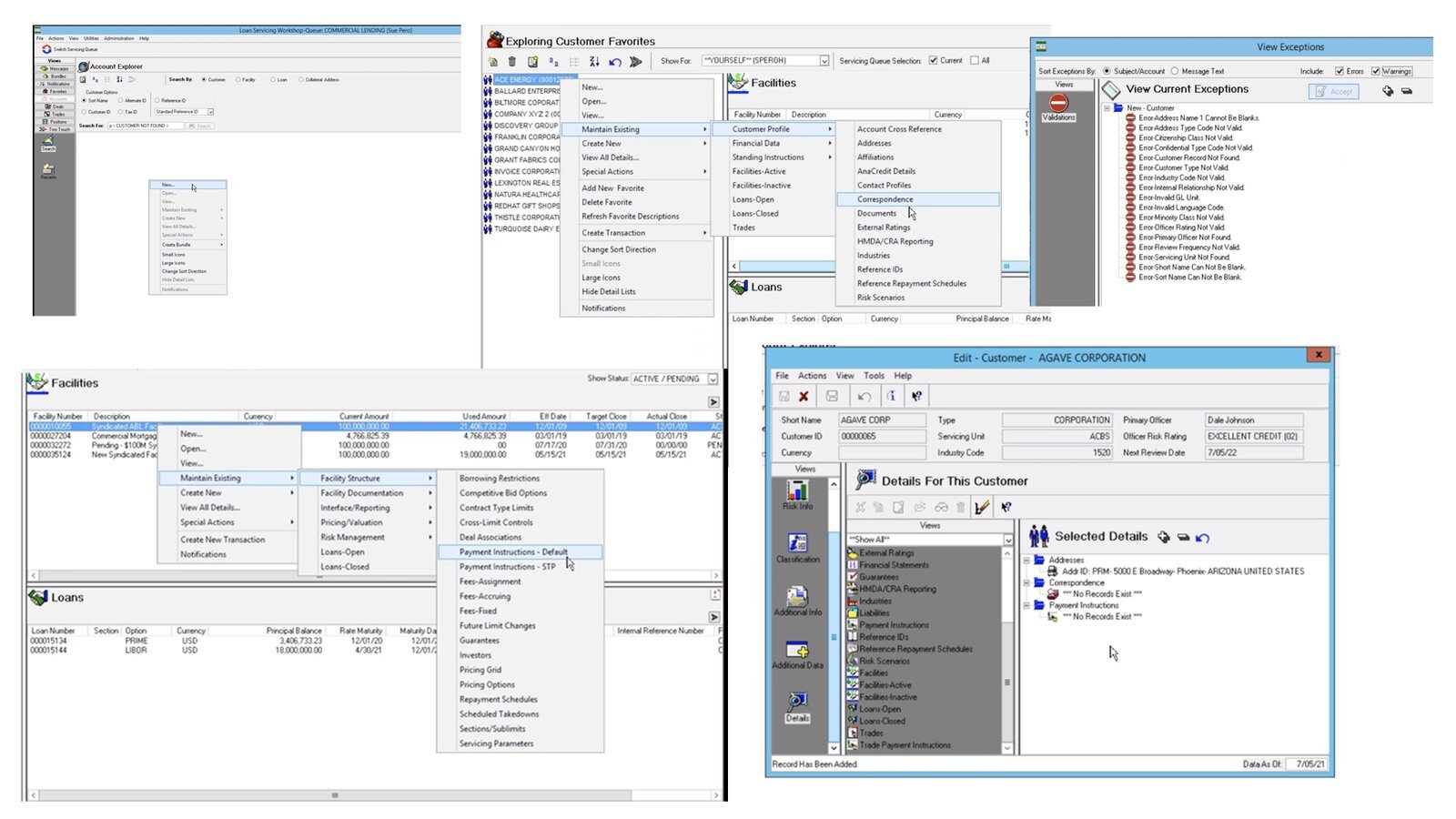
New Screens
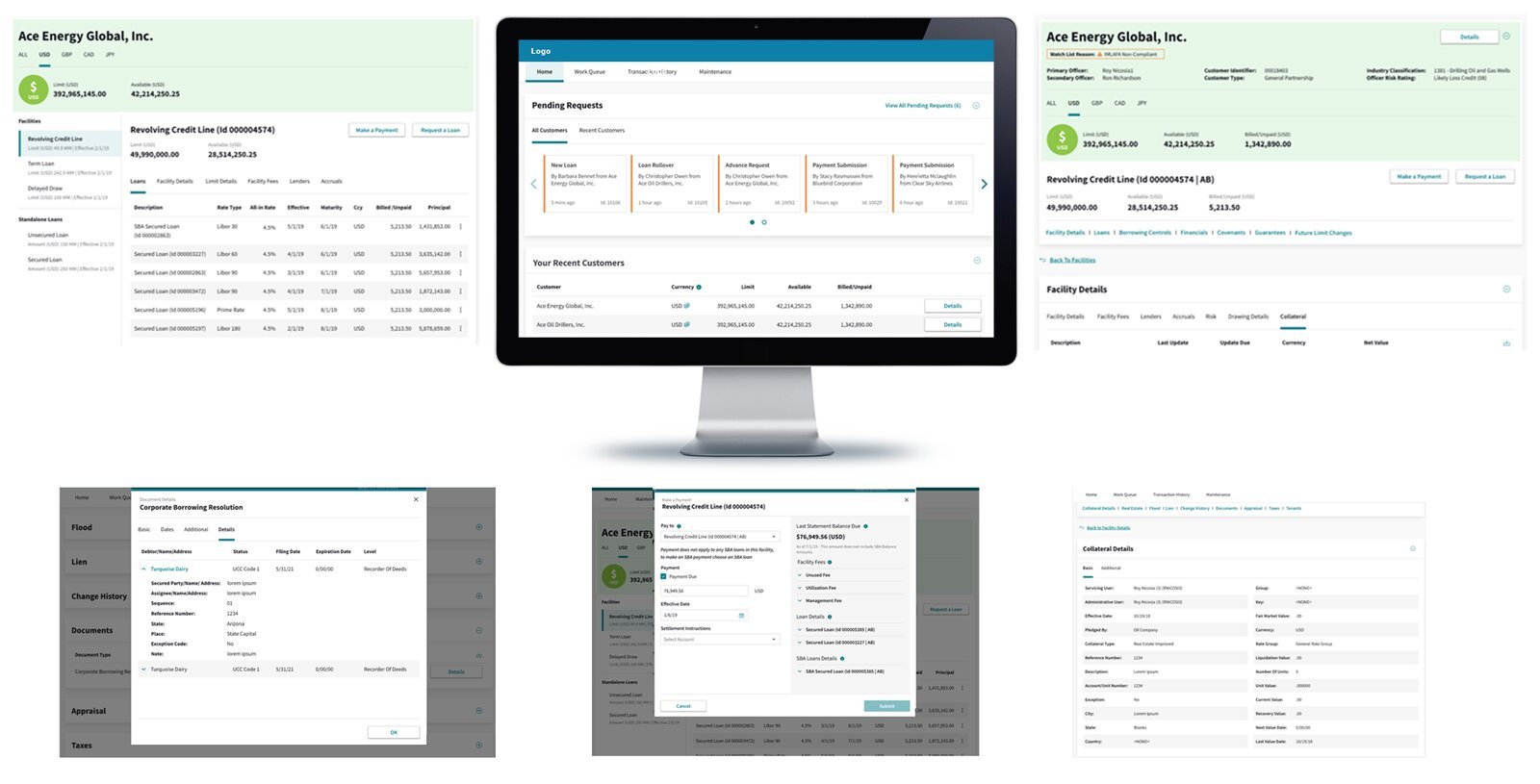
Design Evaluation and User Testing
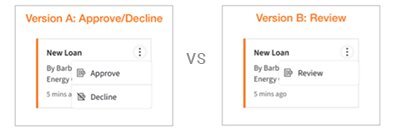
What are we testing?
Participation criteria
To take the test, participants had to meet the following criteria.
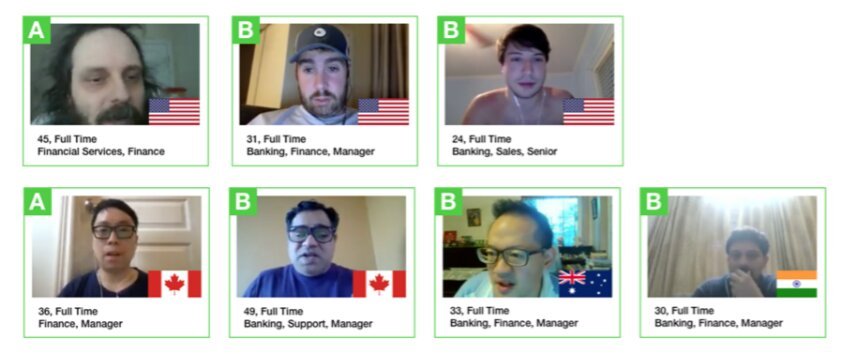
Our Participants
We received a total of 7 participants out of a target of 10.
Results and findings
 |
Six out of seven testers were able to complete all three tasks with varying degrees of friction. |
 |
One tester failed to complete one of the three tasks. We attributed this to a prototype error on our part. |
 |
Options A and B enabled users to complete their tasks. Three testers using Option B commented on its text and the steps for declining a request. |
|
All seven testers attempted to use the sorting and filtering features, which were not available in this prototype test. This highlighted their importance. |
|
The test results demonstrated that both Options A and B were viable. We felt that Option A was more efficient in this particular test scenario. |
Recommendation
As part of the test, we solicited advice on improving the experience. These recommendations were enhancements that could be addressed immediately or added to the backlog.
- Add filters for requester and request type to the homepage carousel.
- Maximize the number of requests shown in the carousel without affecting performance.
- Offer tile and list views for the carousel.
- Provide contextual help for first-time users.